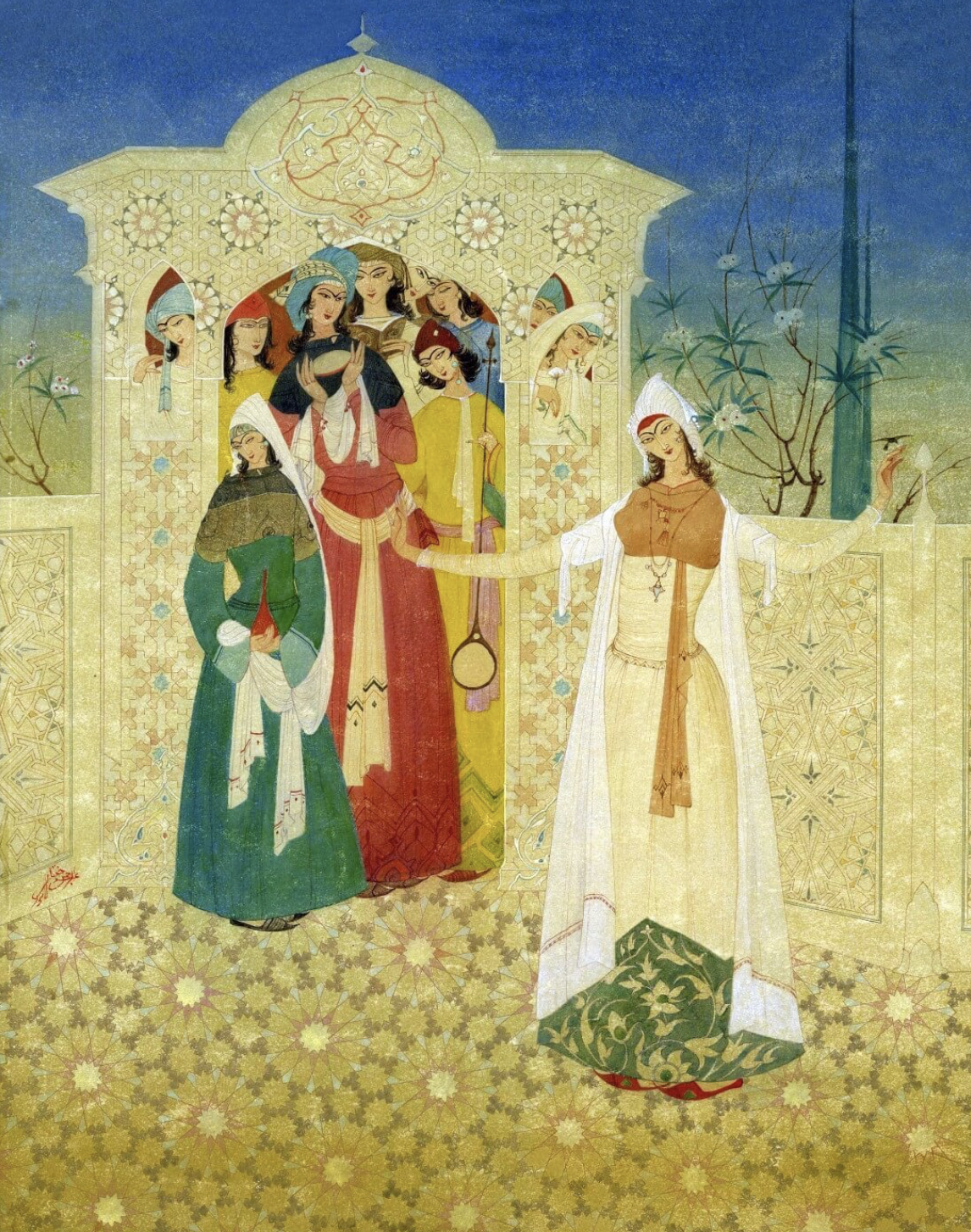
Inscendence as a complementary word to the transcendence brings you contemplations on various topics from the perspective of the reflective, associative and internal intelligence. A journey into depths to find, like Rumi said, the “Messiah, in my heart, I bear.” (مسيحا در دلم پيدا و من بيمار می گردم).
Enjoy the articles. Take them in. More than philosophical discussions or my attempts to convince you of anything, approach them as gentle meditations. Let them reveal that which your own Inner Heart knows. Perhaps they invite you to dream or to look at Reality with an expanded gaze.
[The articles from the old website, Orphic Inscendence, are here too.]
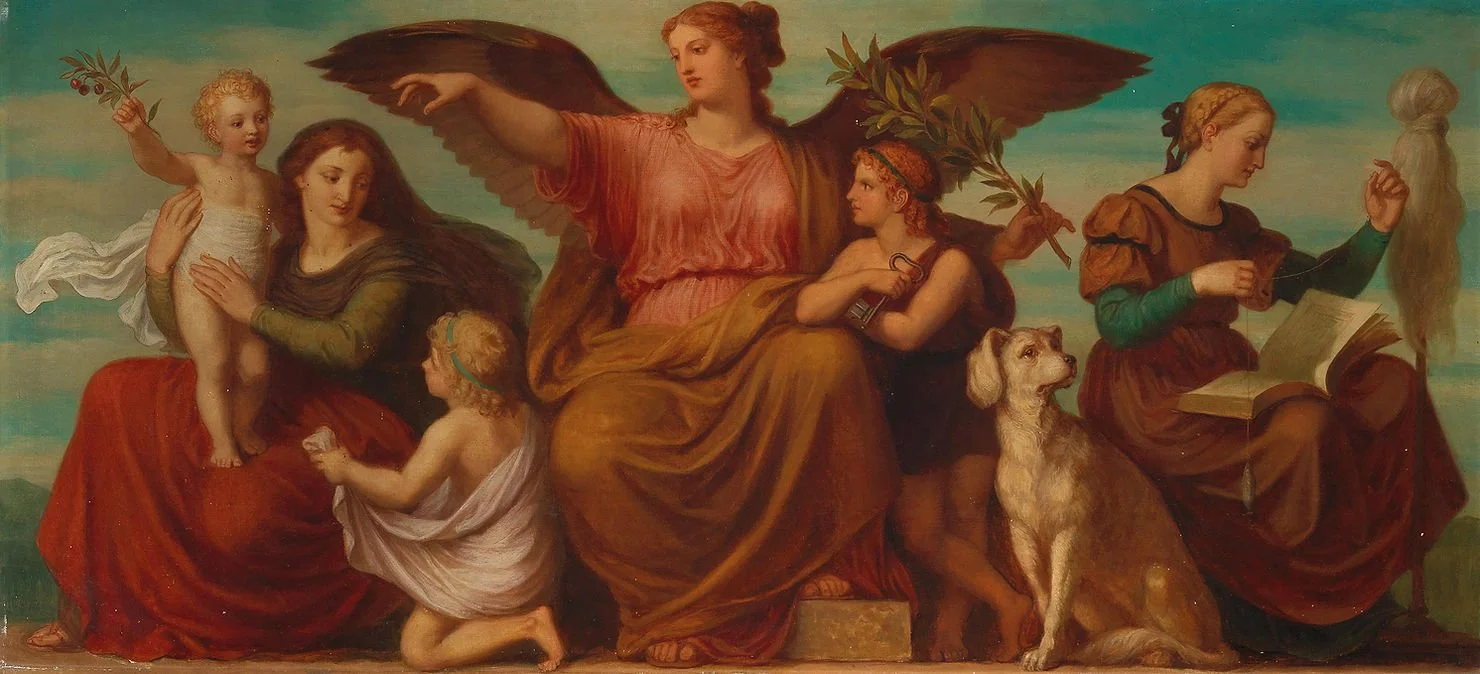
Aphrodite Urania, Aphrodite Pandemos
Beatrice's death triggered the alteration of Beatrice - from Platonic affection she became a spiritual figure, the very embodiment of Divine Love. In "Paradise", instead of Virgil, it is Beatrice who guides Dante towards God. His love for Beatrice guides him to the love for God, and his own understanding of divine love within himself "I clearly see that in thine intellect the Light Eternal is already shining, which, if but seen, always enkindles love "
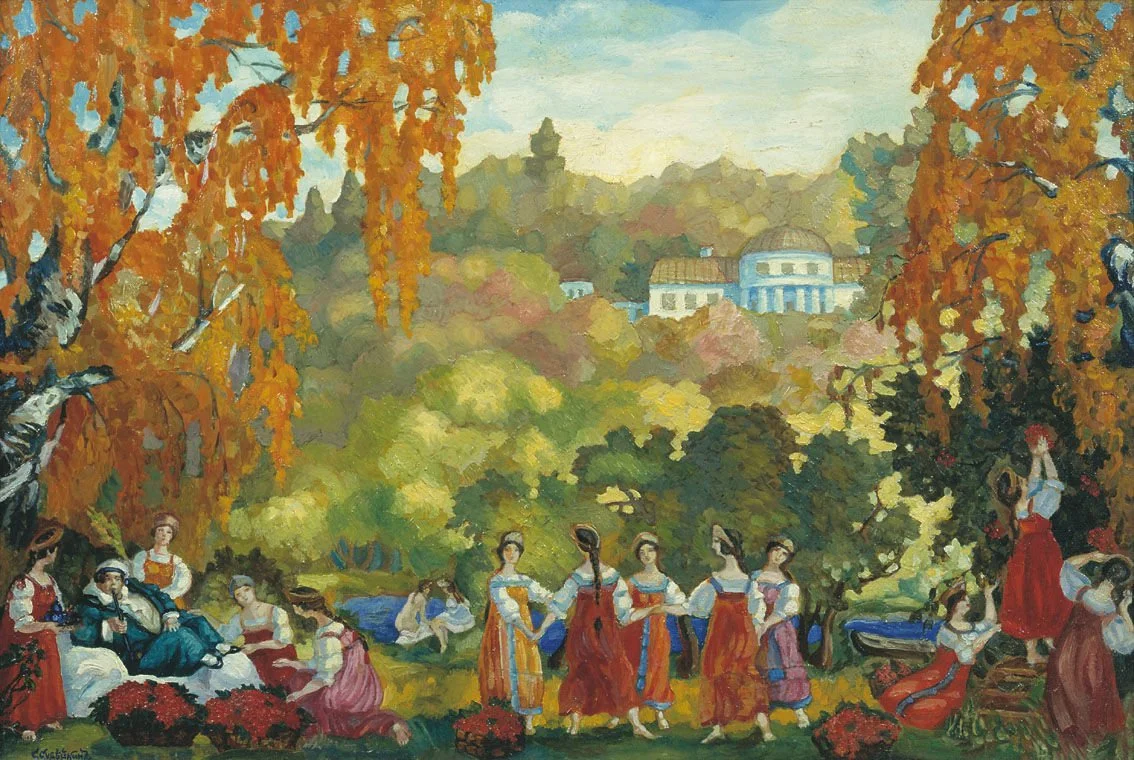
Liberty Within a Structure
Johan Huizinga, a Dutch linguist and cultural theorist had an aesthetic approach to history — art, spectacle and play, for him, are not just an accidental consequence of civilisation but rather its important and often fundamental part. I have chosen an excerpt from his book "Homo Ludens", because it so beautifully illustrates how even in the children's play, there is an innate sense of structure, and it, like Huizinga suggests, reveals a profound and noble innate sense of rhythm. Children in their game, it is said here, do not have tolerance for the spoilsports. The world of game, of play is a tiny, enchanting microcosm in which the individuals communicate through rules they have created and agreed on. It is their creation and spoilsport is a deconstructionist without a vision — who takes more pleasure in separating and alienating than in communing and connecting.
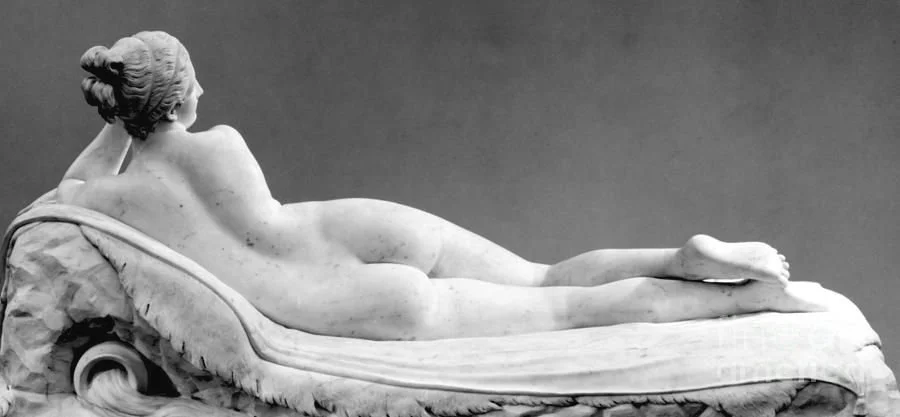
The Renaissance of the Body
In that moment, the Other is not just an object of one's desire, a thrill of life or a mere biological pull towards reproduction but rather the very personification of the "Song of Songs" or Rilke's powerful angels. Only once they had been taken into Dionysian depths, do the Apollo's potent rays shine and suddenly, the object of one's desire is transformed into a source of heavenly, divine light. The darkness of Dionysus has become locus for the light of Apollo, the terror disappears and one bathes in light.
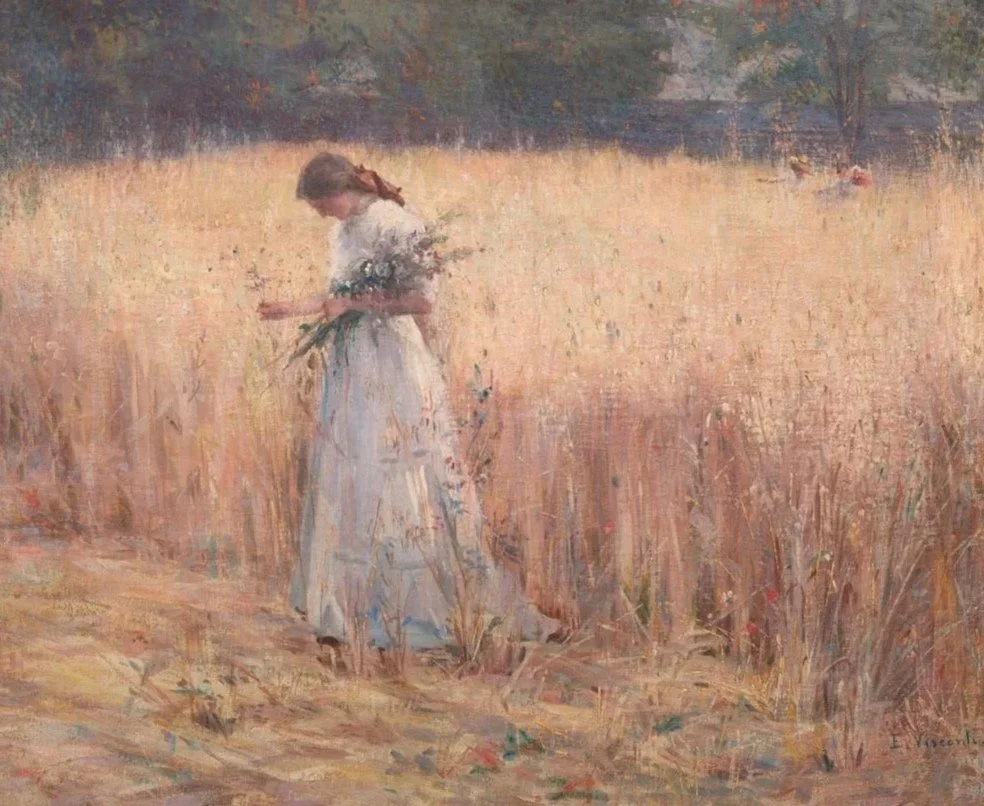
The Michaelmas
Aliens to external nature, we are also aliens to our own, internal natures.
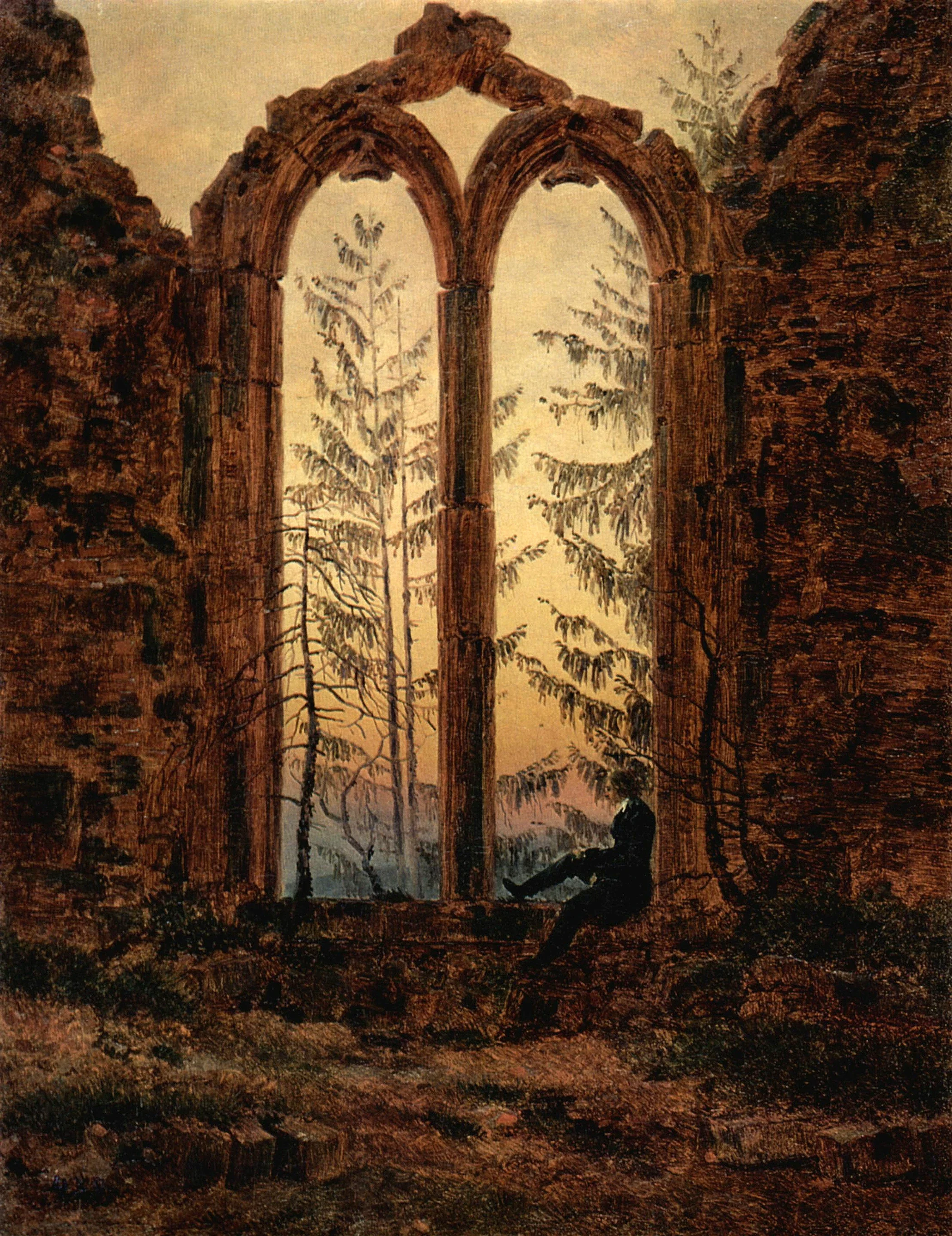
The Love of Ruins
The experience of Sublime is the dawn of the defeat of duality, the experience of seemingly opposite polarities, the experience of opposing truths about the existence of human beings. In the experience of Sublime, the vast and powerful nature is the destroyer, the death of humanity and that which humanity creates, and at the same time, in the experience of sublime, human is the nature's redeemer, shaper, the one who uses her powers to build his own worlds. It is the experience of human being as both a part of nature and something above it. Perhaps there lies our peculiar taste for ruins and vegetation that covers them.