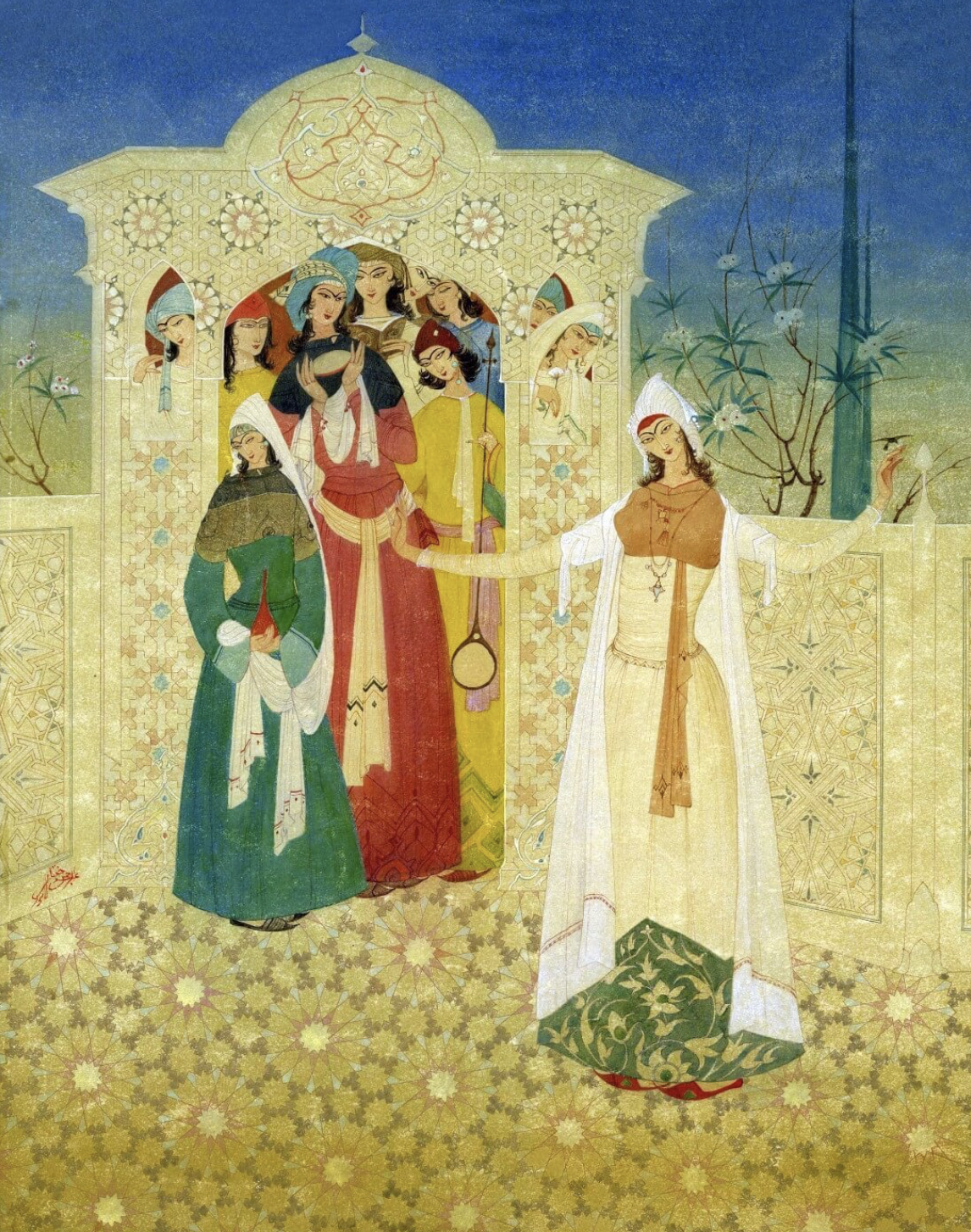
Inscendence as a complementary word to the transcendence brings you contemplations on various topics from the perspective of the reflective, associative and internal intelligence. A journey into depths to find, like Rumi said, the “Messiah, in my heart, I bear.” (مسيحا در دلم پيدا و من بيمار می گردم).
Enjoy the articles. Take them in. More than philosophical discussions or my attempts to convince you of anything, approach them as gentle meditations. Let them reveal that which your own Inner Heart knows. Perhaps they invite you to dream or to look at Reality with an expanded gaze.
[The articles from the old website, Orphic Inscendence, are here too.]
God’s Defiant Lovers
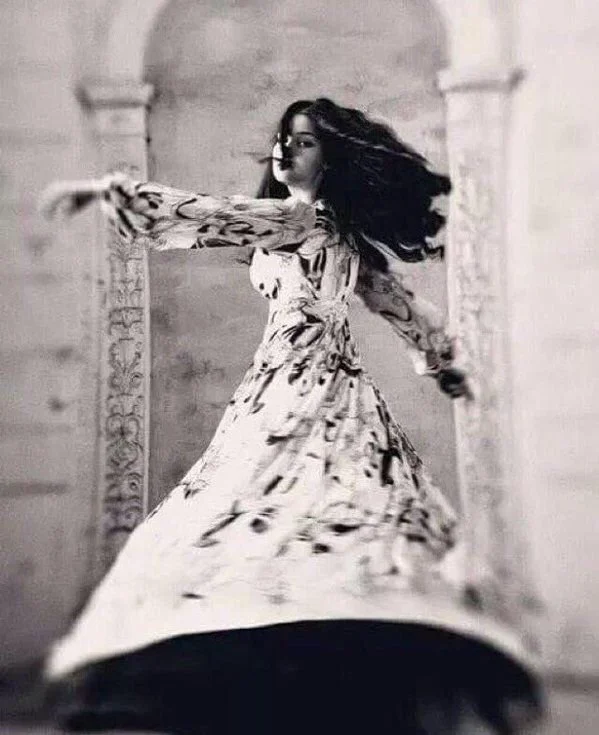
For many of these "mad mystics", challenging, insulting God like in the poem above was not foreign. In other poems, the same mystics may express complete enamourment with God. A materialist may simply call it schizophrenic but for a mystic this is the usual dance between polarities - one polarity which is the feeling of God's distance and the rejection of the demiurge, and the other, which is the feeling of God's closeness and the death within the Absolute.
The Sacred Prostitute
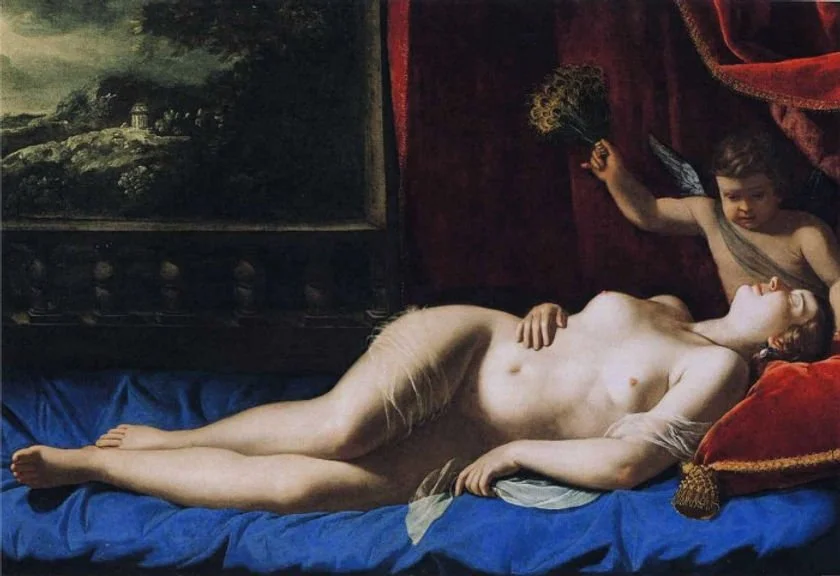
Stranger is "the other", the foreign, the different, the man, the phallic, the penetrating. He is, as the Corbett calls him: "the phallic beast" for the maiden who faces his often visually aggressive sexuality. But in the ritual, the bond is honoured, he does not assault her, and that which looked foreign, beastly, strange, becomes the source of ecstasy. Symbolically, on the level of psyche, the woman allows her inner man, to penetrate her anima.
Nature, Sacred & Romantic Perspective
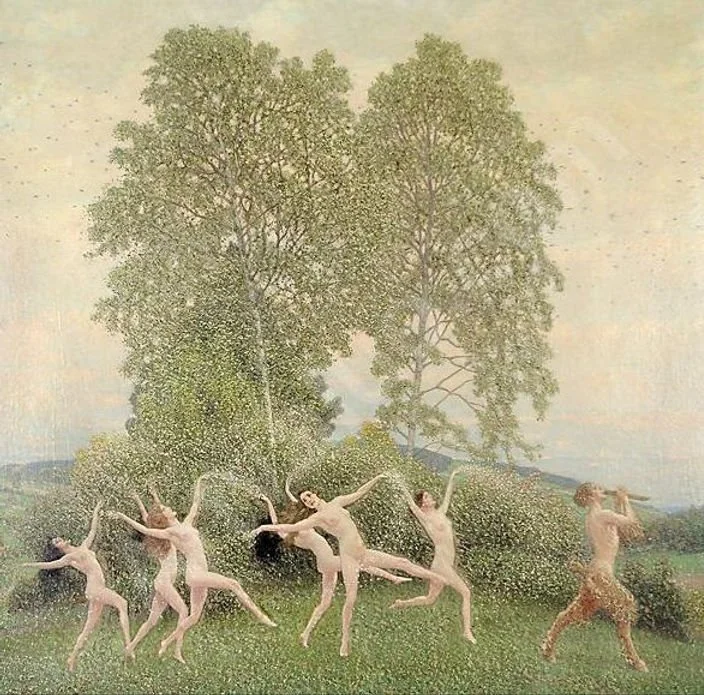
To allow ourselves to be lost in a star or in the harp's melody.
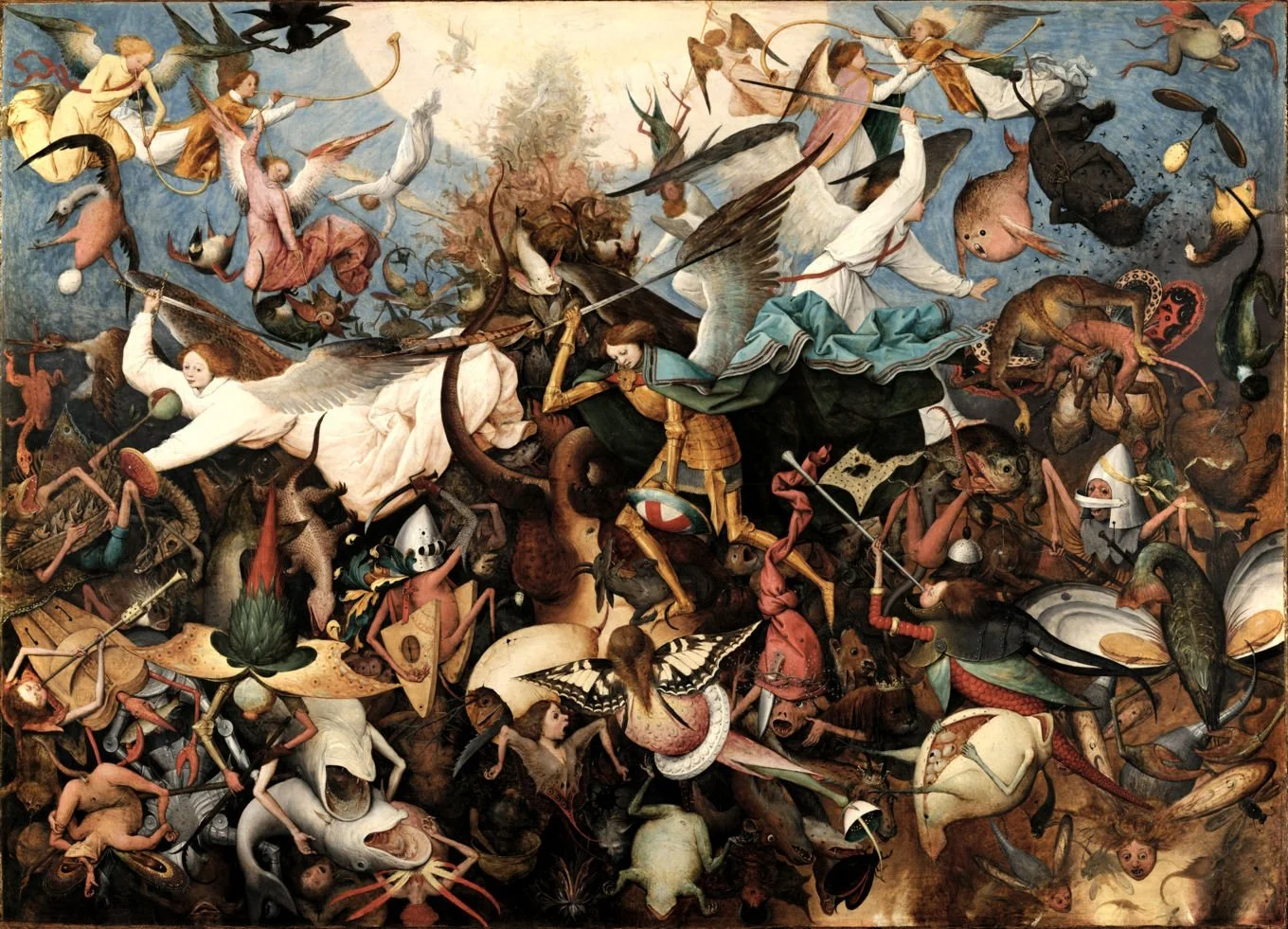
The Beauty of Grotesque and Ugly
Ugliness in its capacity to fascinate and inspire an awe, shares with beauty and reveals so often to be nothing else but her, albeit latent and hidden.
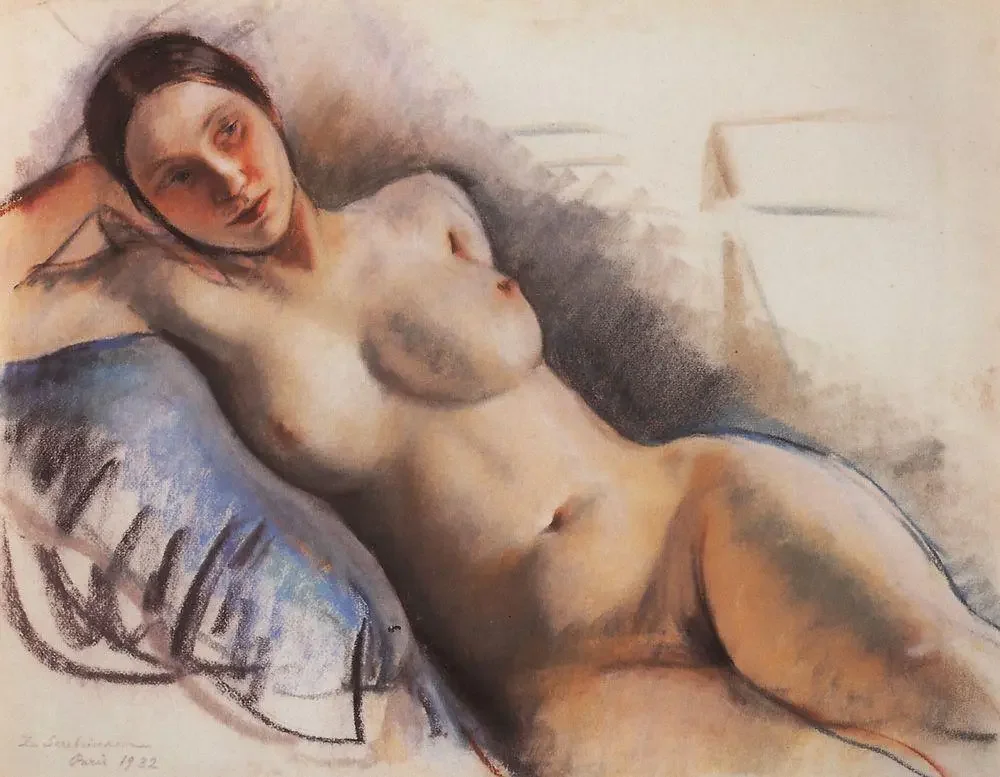
Woman to Woman
Nin, in the excerpts above, imagines June as a sort of goddess - she is out of reach, she provokes devotion and admiration. It is almost as if Nin's affair with Henry himself, was an attempt to get to know June - to learn something about her through the man June was with. This blonde, selfish, towering goddess has a dominant presence, unlike Anaïs, who tends to be sensitive and receptive. Yet, like she says, it is not exactly the same feeling that Anaïs would get from a man — she feels that even though June carries a dominant energy, she is still very much a woman and very feminine.
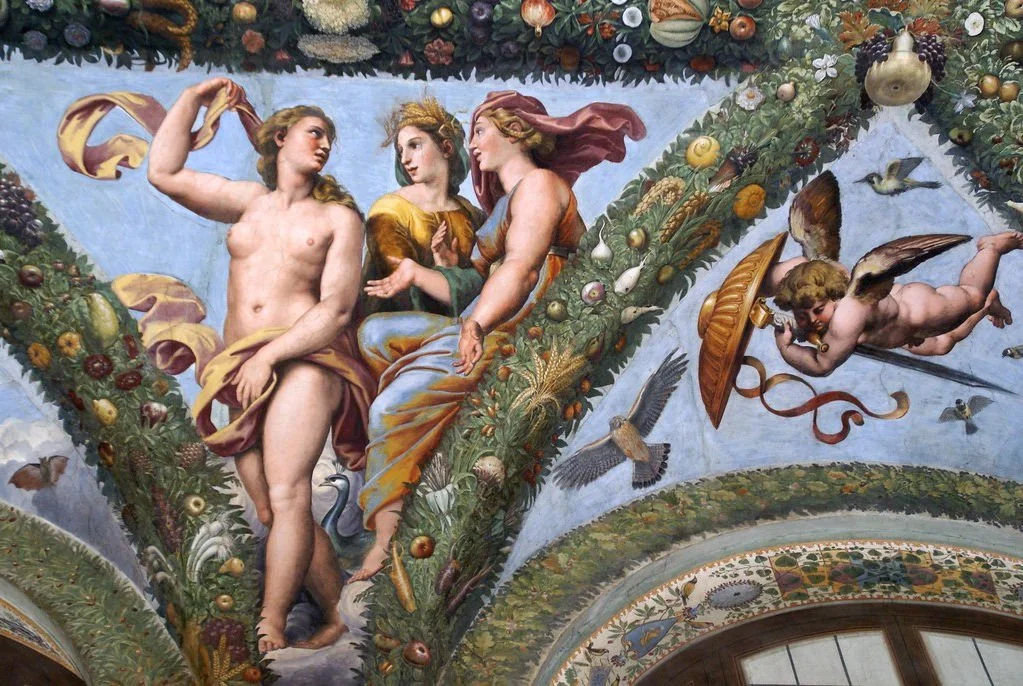
The Great Devouress
How we relate to the irrational, to the non-linear, to the intuitive rather than logical, often reveals, how we relate to this Great Goddess, both as a metaphysical principle and as a psychological principle, within each individual. The urge to constantly define, measure and put everything under a microscope, while useful, can make us mechanical beings who do not see themselves having anything else but cognitive functions — it marks an inability to see, with, what Sufis call "the eye of the heart" and dharmic religions describe as the third eye.
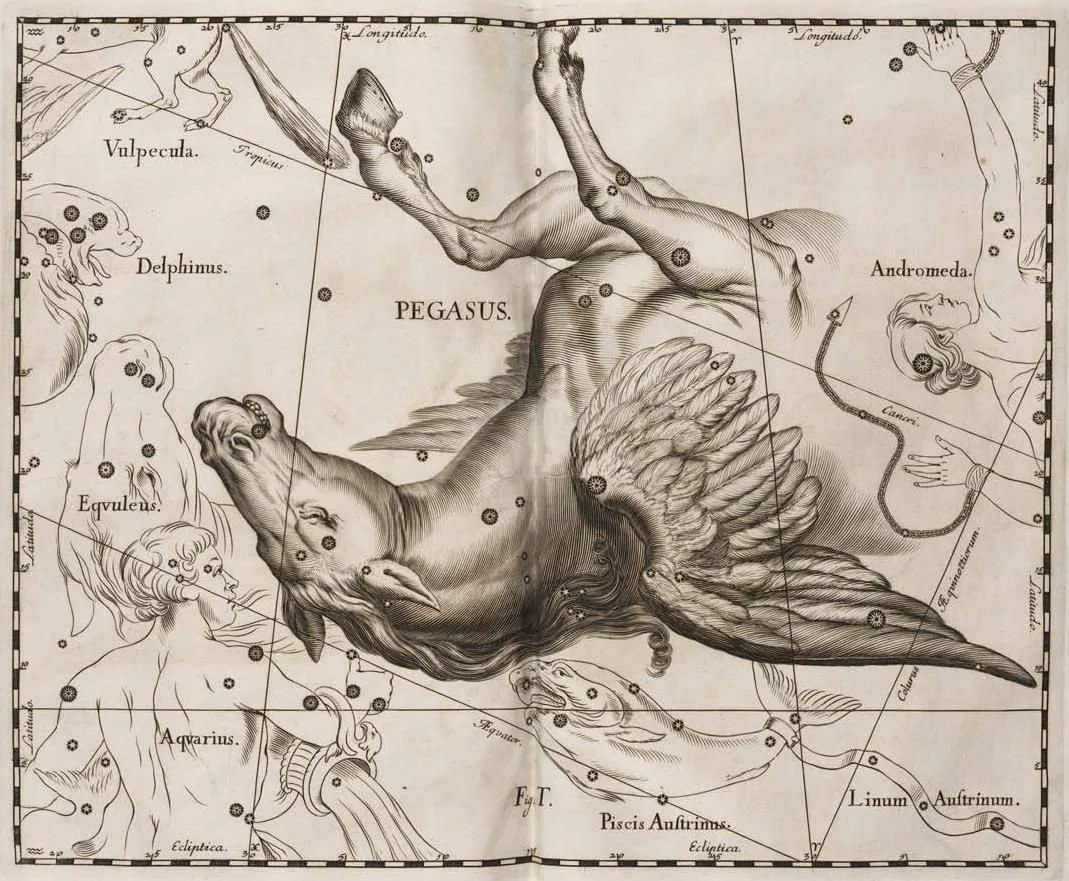
The Symbolic Code
From the moment we wake up to the moment we go to sleep, we are surrounded by symbols — the symbols we use to measure time, the ones to communicate, the ones to signal "stop" or "go" when we are in traffic, we use money, which is also a symbol, something humans have created as a symbol of economic value. If we go to a church, mosque, temple, shrine, once again we use religious symbols. If we study, we use either verbal or numerical symbols. We do all that often without realising how complex and complicated our world of symbols is. Our brains interpret them without noticing because they are part of our cultural code, cultural inheritance, the same way we do not notice our body's natural, genetically predisposed responses.
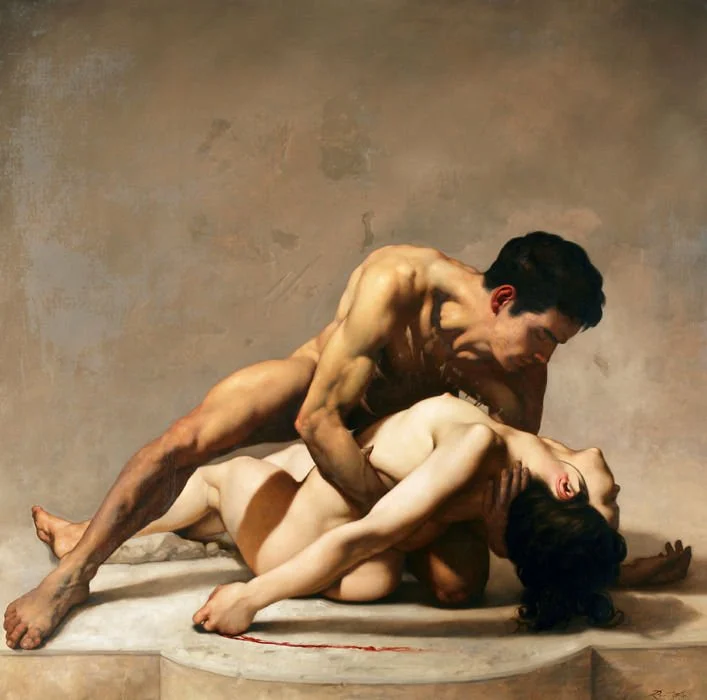
The Transcendence of Love
As much as we cling to our ego and care to maintain its strength, we long even more to be free of it. To be free of the name we did not choose, of goals and hopes, of memories and expectations, of having this, of not having that is what the soul craves, at least for short moments. It is brief freedom from existence as we know it. In the experience of "little death", we come to see that we live even when everything we know of ourselves dies and fades — that experience is giving us a glimpse into our own immortality, into our own existence beyond the separation.
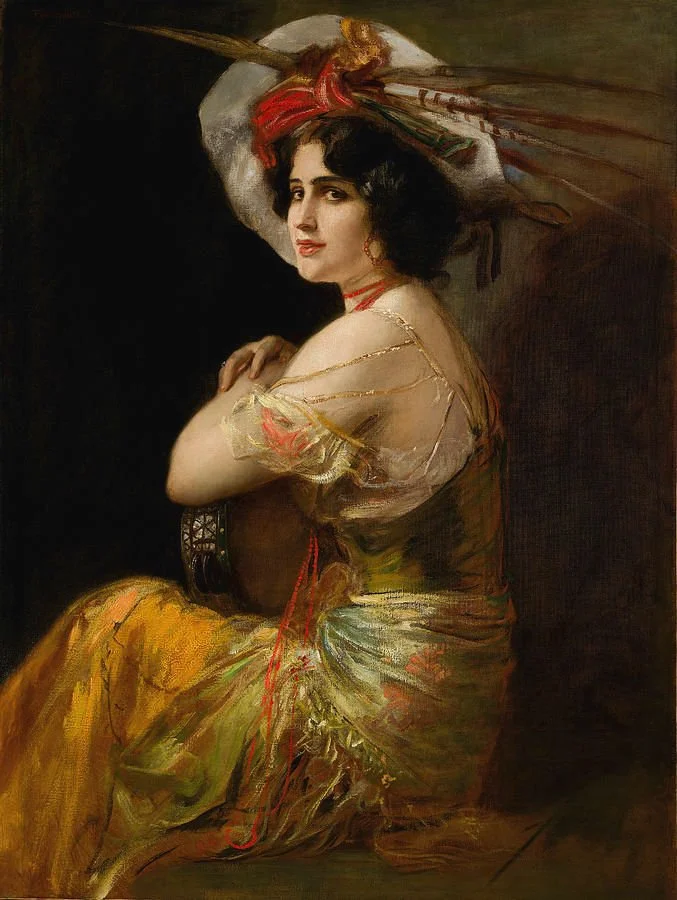
The Seductress and the Eros
Giuditta and Carmen are both dancers, and they both captivate with their dance. Unlike the more pornographic, dances, they, like Salome, leave something "behind the seven veils", they show and invite without overdoing, they incite curiosity, the desire for the unfolding of the story and not the quick release.
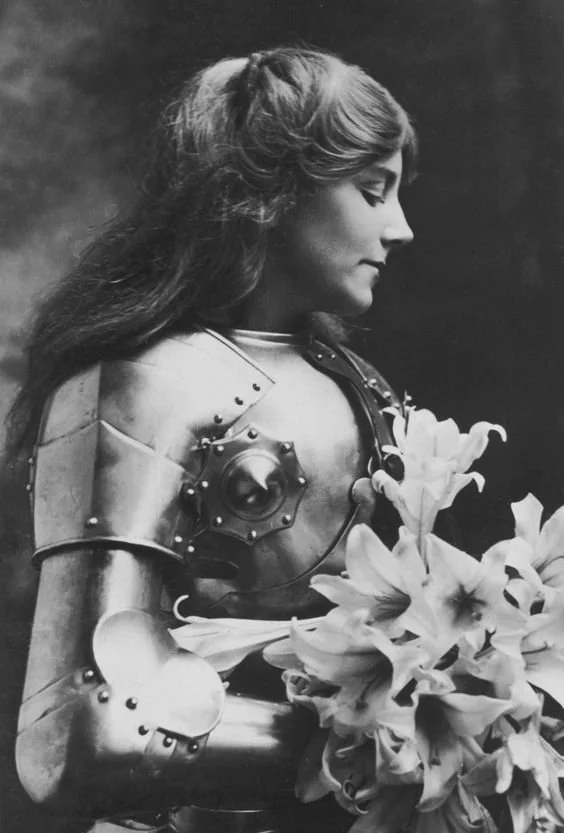
The Maid of Orleans
While Joan of Arc was not a prophet in a traditional sense, and while modern psychiatry and psychology may describe her visions as schiophrenic, within the Platonic and metaphysical context, she embodies the Spinoza's idea of "Prophetic imagination".