Inscendence as a complementary word to the transcendence brings you contemplations on various topics from the perspective of the reflective, associative and internal intelligence. A journey into depths to find, like Rumi said, the “Messiah, in my heart, I bear.” (مسيحا در دلم پيدا و من بيمار می گردم).
Enjoy the articles. Take them in. More than philosophical discussions or my attempts to convince you of anything, approach them as gentle meditations. Let them reveal that which your own Inner Heart knows. Perhaps they invite you to dream or to look at Reality with an expanded gaze.
[The articles from the old website, Orphic Inscendence, are here too.]
He
The god is awake and so is the he — I say to to my lover: “Pass away, pass away, are there safer hands in which you are to pass? Do you not trust them to hold you? Pass away, pass away.” A grimace on his face. Resistance. “Pass away.” A grimace. And then a smile. Liberated by death, his face shone like a thousands suns, like a luminous autumn Moon.
Zuleika’s Diary
The word did spread, someone did hear & I became the joke of the ladies in my circle. Yet the more they laughed at me, the more firm I came into my Love. "A lady to fall for a slave. That is quite a romance.", one said with the mocking giggle. "I could never fall for a lowly slave. How could one?", said another.
The Courageous Romantics
It would appear that the Moon, even in our modern times, still holds to her principles -- she allows the masses to be fed with appearances and illusions, while she hides her deepest and most profound passions and secrets, they visible only to those who prove themselves deserving and worthy. Even in a highly democratic world, her realm remains aristocratic and discriminatory, and still, it is only the Hero with a Sword who can find her, for she remembers the Law that says: "Only the truly good can find the Grail."
Talk To Me, Red One
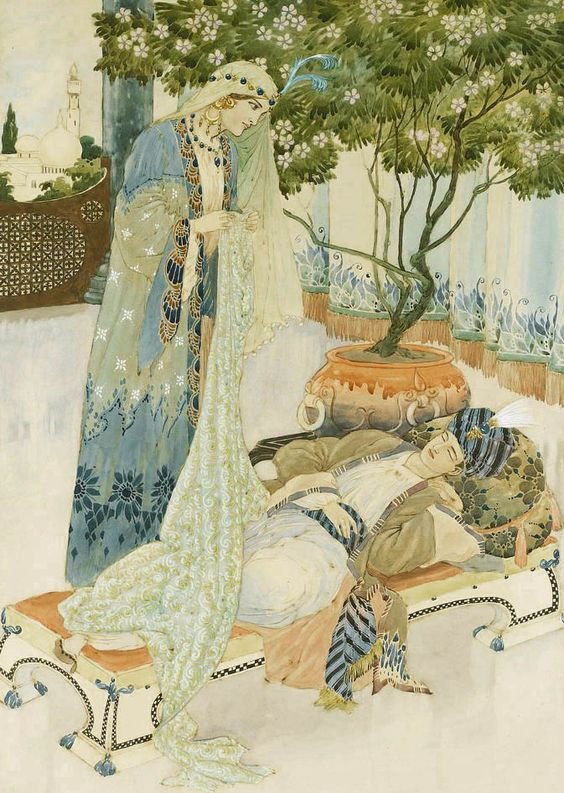
When a soul tires of wandering in the cruel desert, she finds some shelter, some place of rest. Her sorrow & grief may overwhelm her & the hopelessness may find its peak that surrender to God becomes the only option. Yet it is when the soul is rest, when she has found its peace (as its final inclination), that she can hear her lover's steps - for she has stopped reacting & rising her head up at any echo coming from the distance. Silent, rest & at peace, she trusts to recognise the one true pair of steps over a million of false ones. Finally, she finds peace.
The Womb That Bears Love
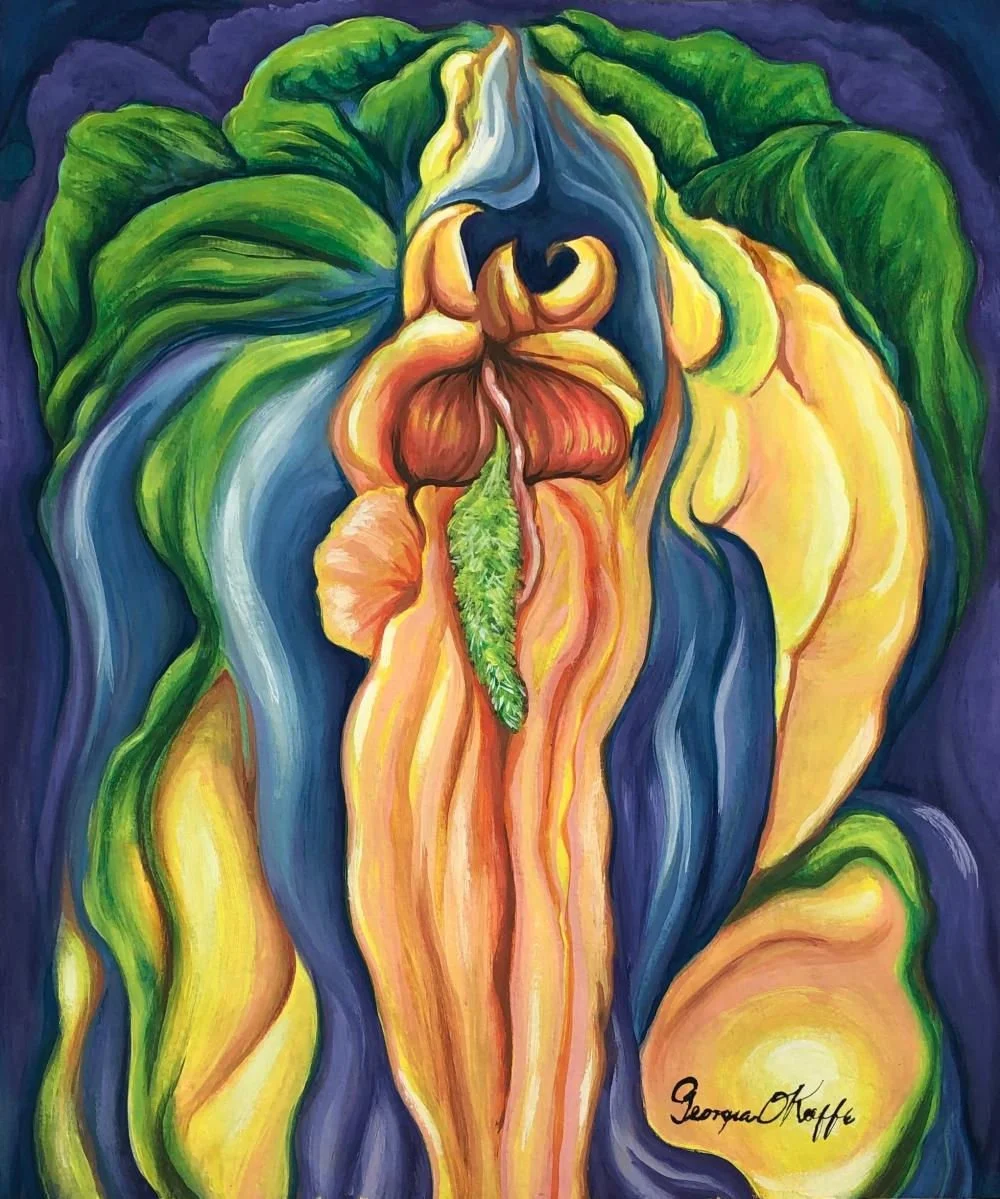
Love seems to be not only the highest principle, but rather, the only principle, and everything that turns its face away from Love, reasonably, fears the Judge.
The Divine Androgyne
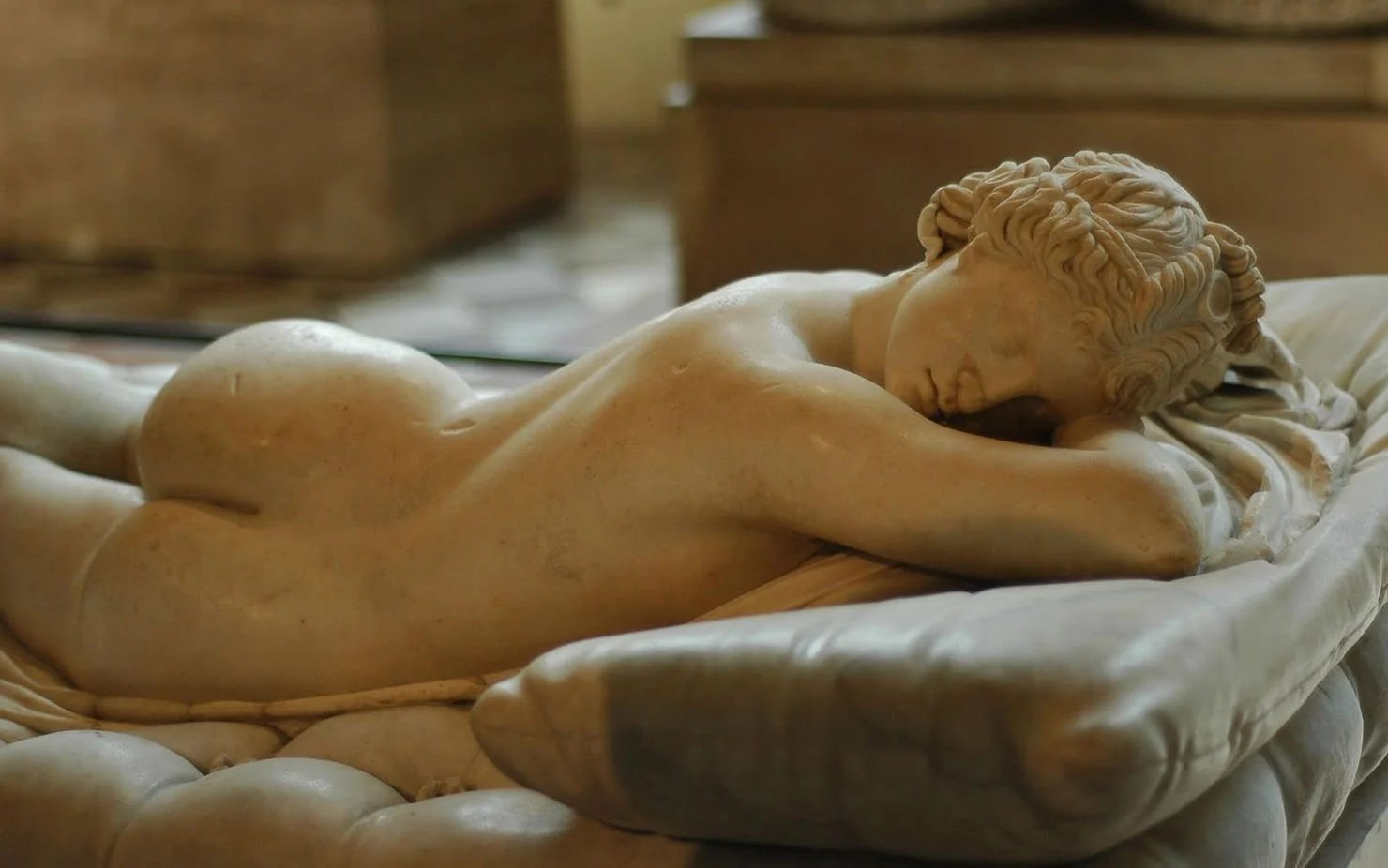
Puer Aeternus is also an image of the unity of the both masculine and feminine. He looks like a man but is barely differentiated, his features are still in many ways, soft, his bones are lean and narrow, his muscles elongated, he lacks a beard and if someone were to put make up on him or give him a long hair, he could easily pass for a girl.
The Salvation Through Love
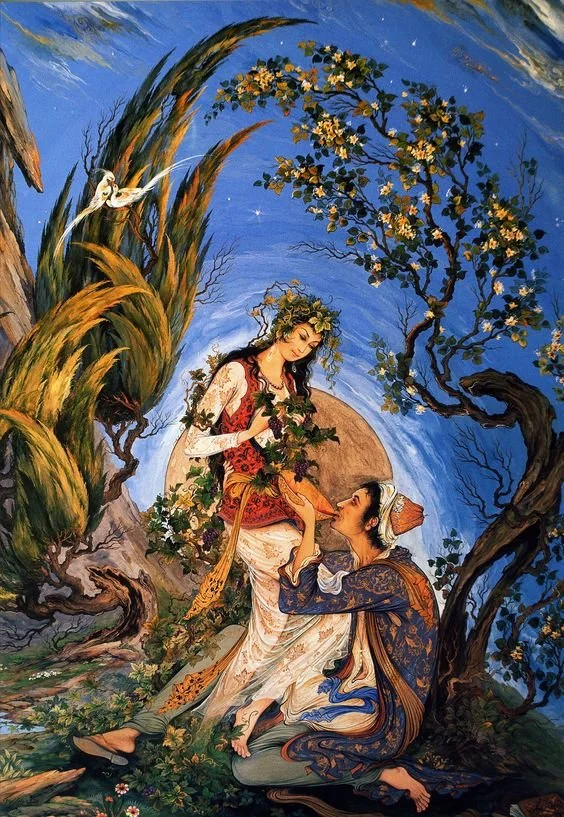
The mystic who is on the path of Love, may experience both and know the feeling of both very strongly. When the Beloved is distant, and shows no sign, the lover experiences hell, because the lover cannot see his own self. The spiritual agony the lover feels can be so painful that the physical pain in that moment would serve as a relief. The lover, likewise, experiences Heaven every time the Beloved is near and when the lover recognises him. Every time the lover forgets, the lover experiences hell, every time the lover remembers, he experiences heaven. Some lovers may desire a perpetual remembrance, or a perpetual heaven but there are those, like Mirza Ghalib who do not. These love their yearning, their pain, their fire in desiring the Beloved, as much as they love the meetings, because it is in the absence, that they become aware of the extent of their love:
The Transcendence of Love
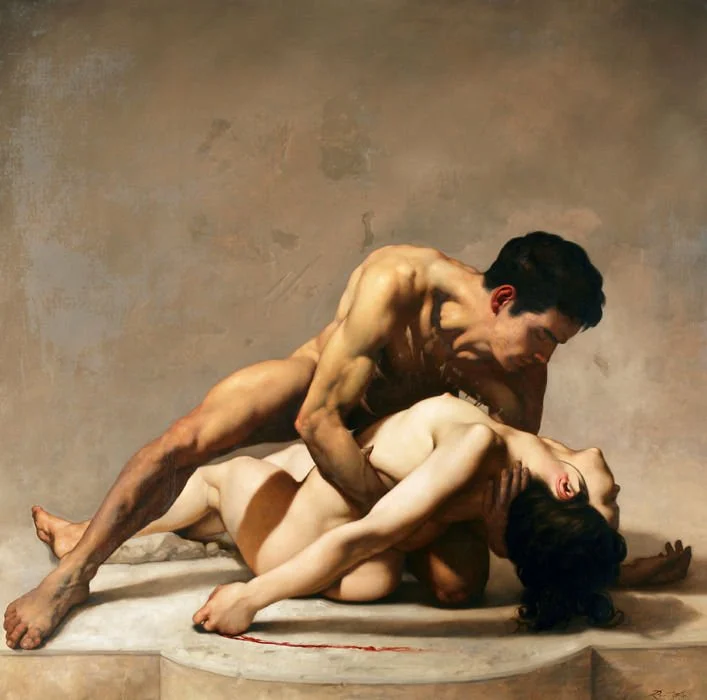
As much as we cling to our ego and care to maintain its strength, we long even more to be free of it. To be free of the name we did not choose, of goals and hopes, of memories and expectations, of having this, of not having that is what the soul craves, at least for short moments. It is brief freedom from existence as we know it. In the experience of "little death", we come to see that we live even when everything we know of ourselves dies and fades — that experience is giving us a glimpse into our own immortality, into our own existence beyond the separation.
The Seductress and the Eros
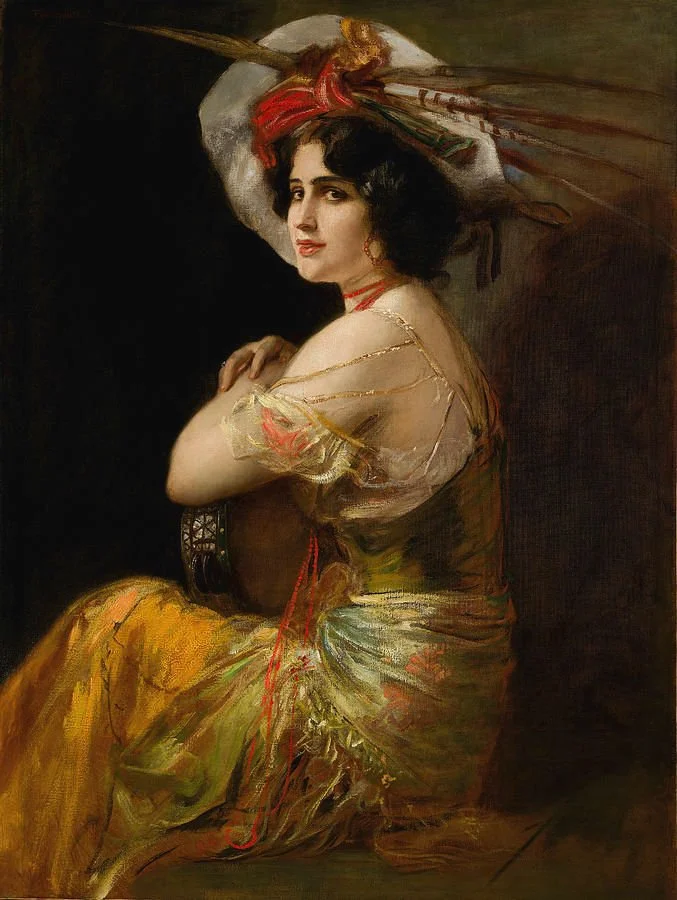
Giuditta and Carmen are both dancers, and they both captivate with their dance. Unlike the more pornographic, dances, they, like Salome, leave something "behind the seven veils", they show and invite without overdoing, they incite curiosity, the desire for the unfolding of the story and not the quick release.
Levin and Kitty
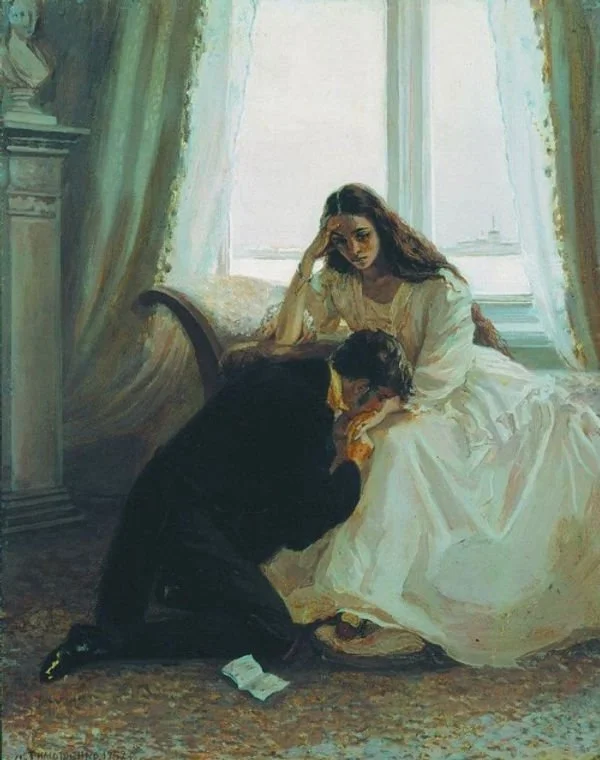
Anna and Alexei's love is a passionate, consuming love — it burns like a fire and just like fire, it expands. Their love is not pejoratively judged, but over the time, the jealousy, the expectations, even the selfishness, the inability to choose and leave certain attachments behind, bring a destruction and tragedy to both Vronsky and Karenina. A reader may wonder then, whether it was love, or whether they both saw in each other a moment of freedom, liberation from the social expectations and loveless life. Or perhaps it was that the love led them to freedom that their souls so eagerly desired. The burning was perhaps what they wanted. The beauty of their love was in the alchemical flame that consumed both of them and the world around them.