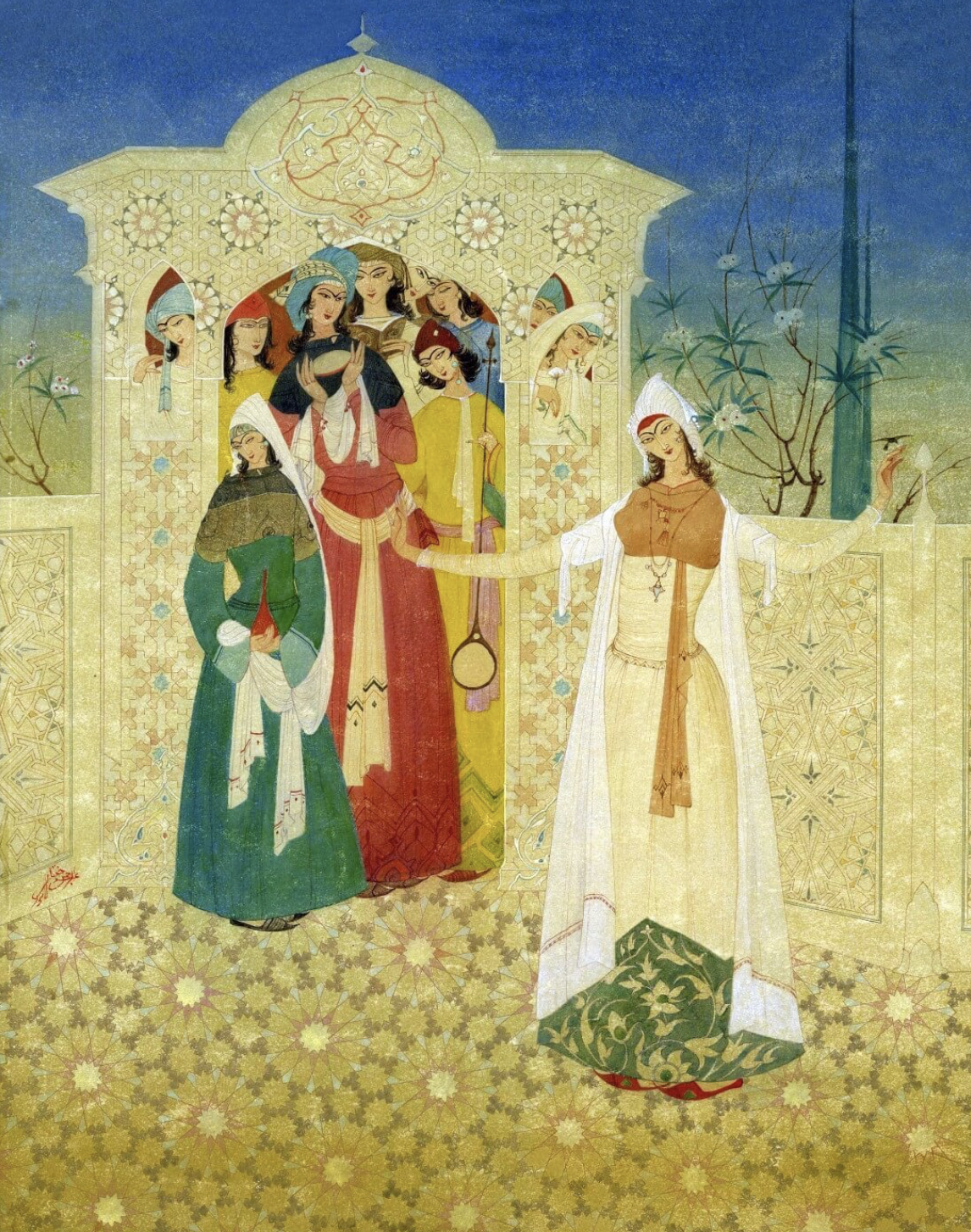
Inscendence as a complementary word to the transcendence brings you contemplations on various topics from the perspective of the reflective, associative and internal intelligence. A journey into depths to find, like Rumi said, the “Messiah, in my heart, I bear.” (مسيحا در دلم پيدا و من بيمار می گردم).
Enjoy the articles. Take them in. More than philosophical discussions or my attempts to convince you of anything, approach them as gentle meditations. Let them reveal that which your own Inner Heart knows. Perhaps they invite you to dream or to look at Reality with an expanded gaze.
[The articles from the old website, Orphic Inscendence, are here too.]
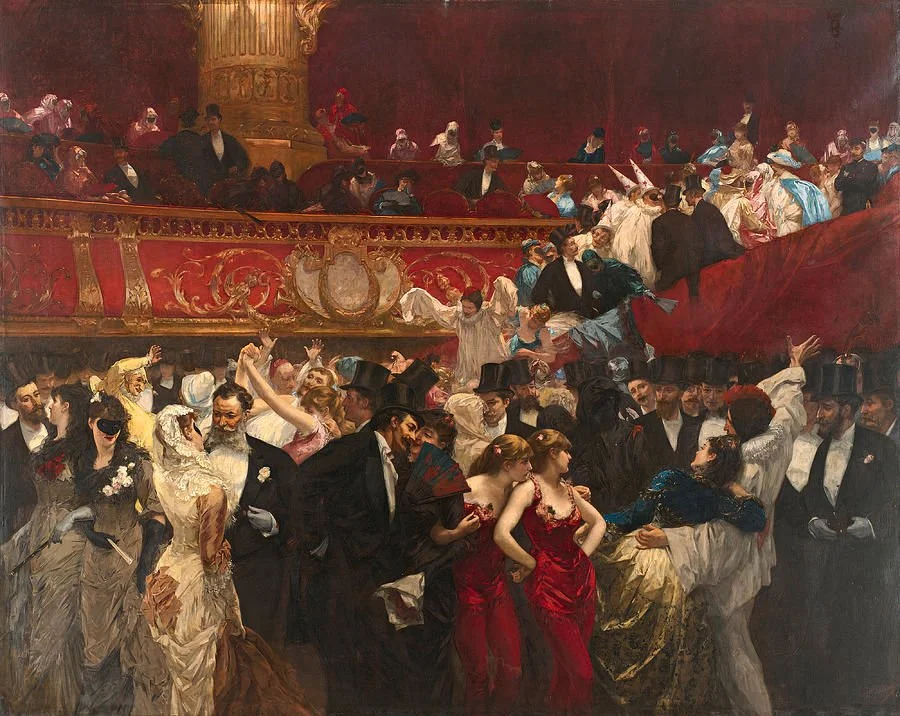
The Way of the Mask
Headlessness and decapitation is such a common religious motif because the head, that is, the face is the source of identity. We identify who we are, and who others are, mostly on the basis of face and our facial features. Is it a wonder then, when upon applying make up, one says to "feel different" or even as a "different person"? The reflection in the mirror is different, and we relate to that reflection with a different sentiment. Head, is also, the source of rational thought and ego - identity, which is the very core of the separation, but that is a topic for another essay.
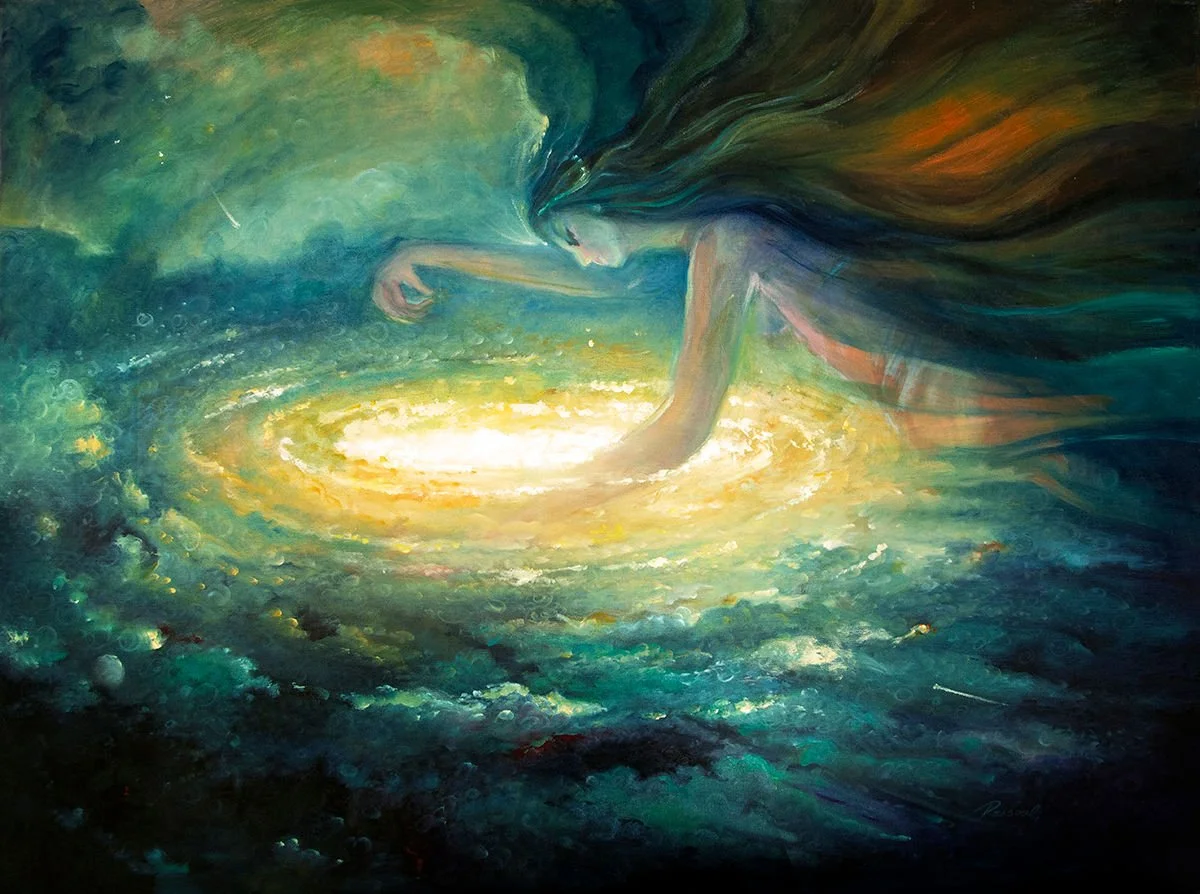
Al Insân Al Kabir - The Anthropology of Cosmos
For this reason, there is a need for individual water carriers, because individual water carriers are the ones who make sure that the Truth is not forgotten. In profane times, even spiritual authority can be polluted and corrupted, but we can always appeal and look towards our Lord, towards that part of the Great Man in which the friends of our soul still live. There are angels, bodhisattvas, imams, saints, sages, mystics, who are still very much alive.
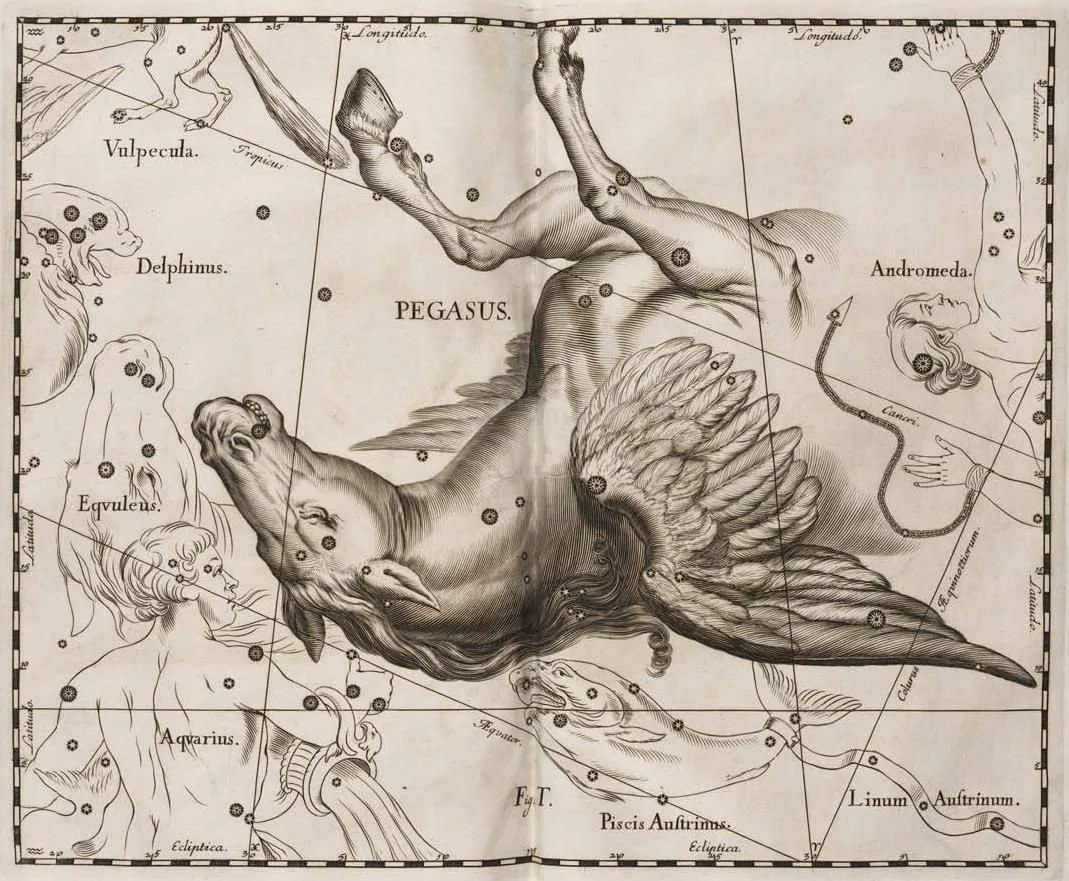
The Symbolic Code
From the moment we wake up to the moment we go to sleep, we are surrounded by symbols — the symbols we use to measure time, the ones to communicate, the ones to signal "stop" or "go" when we are in traffic, we use money, which is also a symbol, something humans have created as a symbol of economic value. If we go to a church, mosque, temple, shrine, once again we use religious symbols. If we study, we use either verbal or numerical symbols. We do all that often without realising how complex and complicated our world of symbols is. Our brains interpret them without noticing because they are part of our cultural code, cultural inheritance, the same way we do not notice our body's natural, genetically predisposed responses.
Liberty Within a Structure
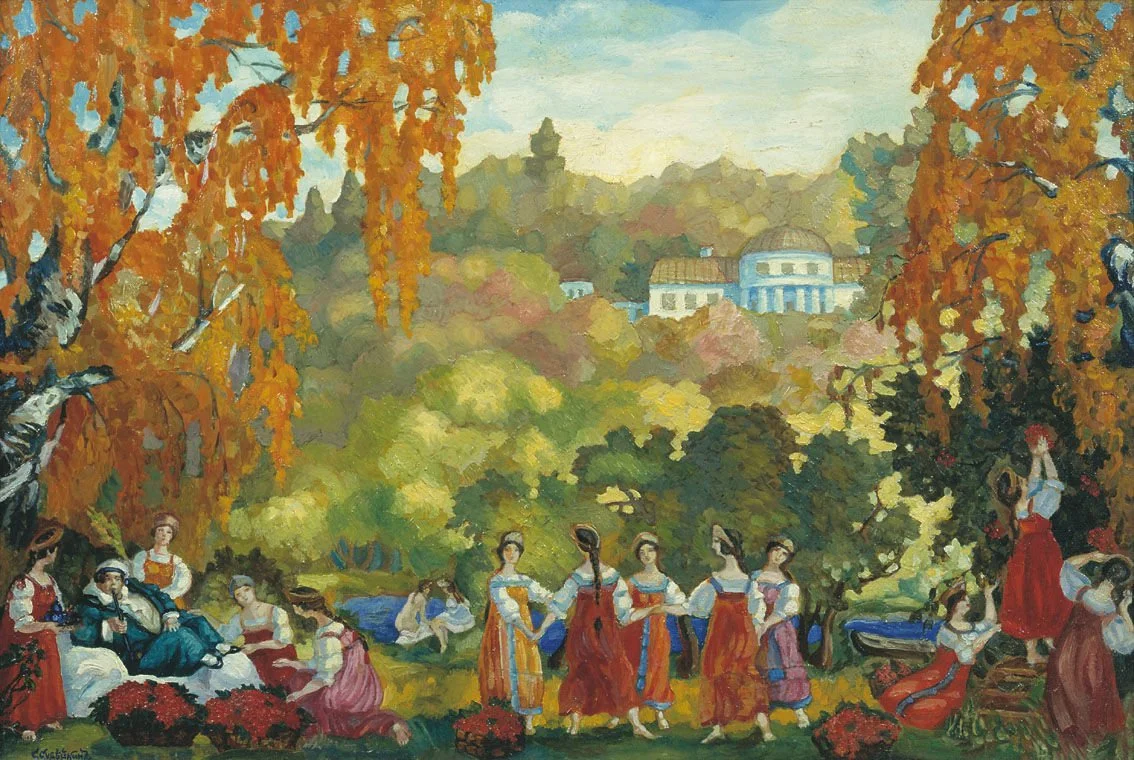
Johan Huizinga, a Dutch linguist and cultural theorist had an aesthetic approach to history — art, spectacle and play, for him, are not just an accidental consequence of civilisation but rather its important and often fundamental part. I have chosen an excerpt from his book "Homo Ludens", because it so beautifully illustrates how even in the children's play, there is an innate sense of structure, and it, like Huizinga suggests, reveals a profound and noble innate sense of rhythm. Children in their game, it is said here, do not have tolerance for the spoilsports. The world of game, of play is a tiny, enchanting microcosm in which the individuals communicate through rules they have created and agreed on. It is their creation and spoilsport is a deconstructionist without a vision — who takes more pleasure in separating and alienating than in communing and connecting.